In many Singapore workplaces, employees now rely on fresh food vending machines for convenient ready-to-eat meals during staff lunch hours. Unlike traditional snack machines, these systems require strict operational controls to maintain food quality, safety, and reliability. Behind every successful vending deployment is a structured process managing shelf life, replenishment timing, temperature control, and inventory tracking to support consistent workplace dining experiences.
What Makes Fresh Food Vending Machines Different From Traditional Vending Machines
Fresh Meals vs Packaged Snacks
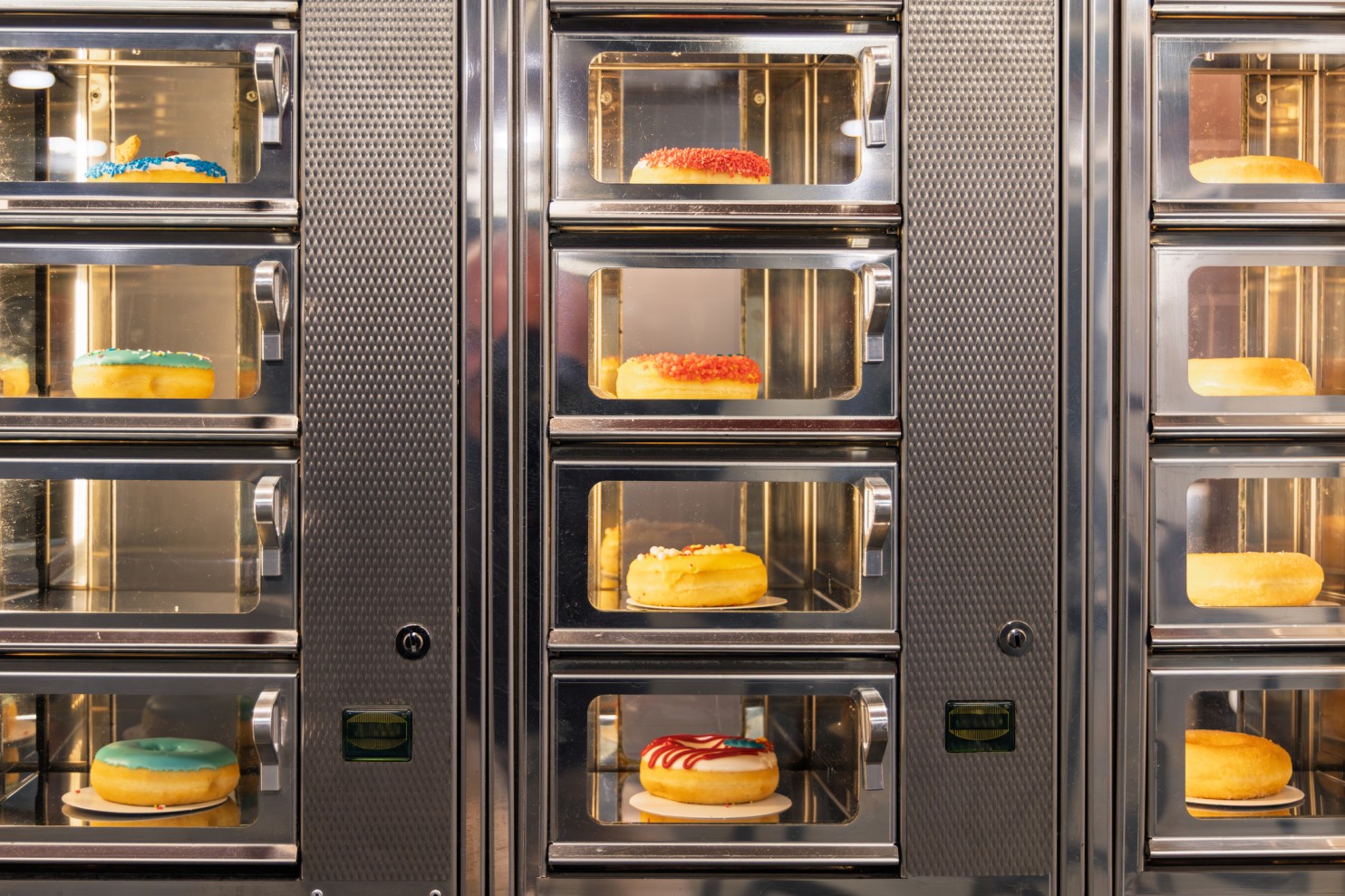
Traditional vending machines typically store packaged snacks and bottled beverages with long shelf lives. Fresh food vending machines operate very differently. They store ready-to-eat meals, salads, sandwiches, and chilled food items that require temperature-controlled environments and stricter expiry management.
Because fresh meals have shorter consumption windows, operators must manage inventory more actively to ensure food remains safe and suitable for workplace dining.
Why Shelf Life Management Matters in Workplace Dining
Employees using fresh food vending machines expect meals to remain fresh, consistent, and safe throughout the day. In Singapore office environments, especially in business parks or commercial buildings with long operating hours, vending reliability becomes an important part of workplace dining experience.
Without proper shelf life management, meals may expire before being consumed, creating food waste and operational inefficiencies. This is why modern vending systems rely heavily on structured monitoring and replenishment processes.
How Shelf Life Is Managed in Fresh Food Vending Machines
FIFO Rotation Systems
One of the most important operational methods used in fresh food vending machines is FIFO rotation, which stands for “First In, First Out.”
Under FIFO systems, meals stocked earlier are prioritised for dispensing before newer inventory. This reduces the likelihood of older meals remaining inside machines beyond their intended shelf life. FIFO rotation is widely used in workplace dining operations because it helps operators maintain freshness while reducing expired inventory.
Expiry Tracking and Product Monitoring
Modern vending systems often include digital inventory tracking tools that monitor expiry dates automatically. Meals are typically labelled with barcodes or tracking identifiers that allow operators to monitor product age and consumption patterns.
These systems help operators identify which meals are approaching expiry and adjust replenishment schedules accordingly. This operational visibility is increasingly important in workplace dining systems where meal demand fluctuates based on office attendance.
Holding Temperature Control
Temperature management is another critical part of shelf life control. Fresh meals stored in vending machines must remain within safe chilled temperature ranges throughout the day.
Consistent holding temperatures help preserve food quality while ensuring compliance with food safety standards. If temperature fluctuations occur, operators may need to remove affected products immediately to maintain workplace dining reliability.
How Replenishment Cycles Work in Food Vending Machines
Daily and Scheduled Replenishment Cycles
Fresh food vending machines require frequent replenishment compared to traditional vending systems. Depending on workplace demand, machines may be restocked daily or multiple times per day.
High-traffic office environments, such as business parks or large commercial buildings, often require scheduled replenishment cycles to maintain product availability during peak staff lunch periods.
Consumption Tracking and Restocking Forecasts
Operators use consumption tracking systems to understand which meals are popular and how quickly products sell. This allows vending teams to forecast demand more accurately and optimise replenishment schedules.
For example, if chicken rice meals consistently sell out before noon while sandwiches remain unsold, operators can adjust stocking quantities accordingly. These forecasting systems support broader corporate cafeteria management strategies by aligning vending inventory with actual workforce preferences.
This operational planning approach is closely related to structured meal forecasting in corporate lunch catering services, where consumption data helps improve workplace dining efficiency.
How Fresh Food Vending Machines Reduce Food Waste
Monitoring Unsold Meals
One of the biggest operational challenges in vending systems is managing unsold meals. Operators regularly monitor which products remain unsold and identify recurring low-demand items.
This information helps refine future stocking strategies while reducing unnecessary waste. In modern workplace dining environments, reducing food waste has become an important operational and sustainability goal.
Forecasting Meal Demand for Staff Lunch
Meal demand forecasting plays a major role in reducing waste within food vending machines. Operators analyse office attendance patterns, weekday consumption behaviour, and staff lunch timing to estimate how many meals should be stocked each day.
Hybrid work arrangements have made this process more important, as office occupancy levels now fluctuate more frequently than before. Accurate forecasting helps operators maintain meal availability without excessive overstocking.
How Fresh Food Vending Machines Support Workplace Dining Systems
Supporting Offices Without Full Cafeterias
Many workplaces in Singapore do not have sufficient space or infrastructure for full cafeteria operations. In these environments, fresh food vending machines provide employees with convenient access to meals without requiring large dining facilities.
This is especially useful for smaller offices, satellite workplaces, and commercial buildings with limited pantry space. Many organisations also rely on structured workplace vending machine operations to maintain consistent meal availability across these environments.
Supporting Hybrid Office Food Catering Models
Fresh food vending systems are increasingly used alongside office food catering and onsite catering programs. Some organisations combine vending machines with scheduled catering deliveries to create more flexible workplace dining systems.
This hybrid approach allows employees to access meals throughout the day while maintaining operational efficiency. Businesses exploring workplace vending machine deployment often adopt these layered dining systems to improve meal accessibility.
How Catering Corner Approaches Fresh Food Vending Operations
Building Structured Workplace Dining Systems
At Catering Corner, workplace dining is approached as a structured operational system rather than a standalone vending solution. Fresh food vending machines should align with workforce behaviour, office attendance patterns, and overall dining accessibility requirements.
Our experience in workplace dining operations allows us to integrate vending systems into broader office food catering and cafeteria management strategies.
Using Data to Improve Vending Reliability
Data tracking helps improve replenishment accuracy, reduce waste, and maintain meal consistency. By analysing consumption trends and dining behaviour, vending operations can become more responsive and reliable for employees.
Organisations looking to improve workplace dining accessibility can speak with our workplace dining specialists for tailored guidance.
Why Shelf Life and Replenishment Matter in Workplace Dining
Successful fresh food vending machines depend on far more than simply stocking meals inside a machine. Shelf life management, replenishment planning, FIFO rotation, and temperature control all work together to maintain food quality and operational reliability.
As workplace dining systems continue evolving in Singapore, organisations that implement structured vending operations will be better positioned to support consistent staff lunch experiences while reducing waste and improving workplace dining efficiency.