As organisations rethink workplace dining, two common solutions often emerge: office food catering and food vending machines. Both improve meal accessibility, but they serve different operational needs. The right choice depends on factors such as workforce size, attendance patterns, dining expectations, and workplace infrastructure. Understanding these considerations helps organisations build dining programmes that support employees while remaining efficient and sustainable.
Why Workplace Dining Needs Differ Across Organisations
Workforce Size Influences Dining Requirements
Not every workplace requires the same dining solution. A company with 50 employees will have different meal service needs compared to an industrial facility with several hundred workers across multiple shifts.
Larger organisations often benefit from structured office food catering programmes because predictable meal volumes support menu variety and efficient service delivery. Smaller offices, however, may struggle to justify dedicated dining facilities or full-scale catering operations.
Workforce density is often one of the first factors organisations evaluate when planning workplace dining solutions.
Attendance Patterns Affect Meal Demand
Modern workplaces rarely operate with fixed attendance levels. Hybrid work arrangements, flexible schedules, and project-based staffing can create significant fluctuations in meal demand.
When attendance patterns change frequently, organisations may need dining systems that provide flexibility without creating excessive food waste. This is one reason many companies now rely on staff cafeteria management strategies that use participation trends and workplace data to support dining decisions.
When Office Food Catering Is the Better Solution
Organisations With Predictable Staff Lunch Demand
Workplaces with stable attendance and consistent participation often benefit from office food catering. When meal demand remains relatively predictable, catering providers can prepare meals efficiently while maintaining menu variety and service quality.
For organisations operating regular staff lunch programmes, catering creates a structured dining experience that supports both convenience and employee satisfaction.
Workplaces Seeking Community and Employee Engagement
Workplace dining is not only about food. Shared meal experiences can help employees connect with colleagues, build relationships, and strengthen workplace culture.
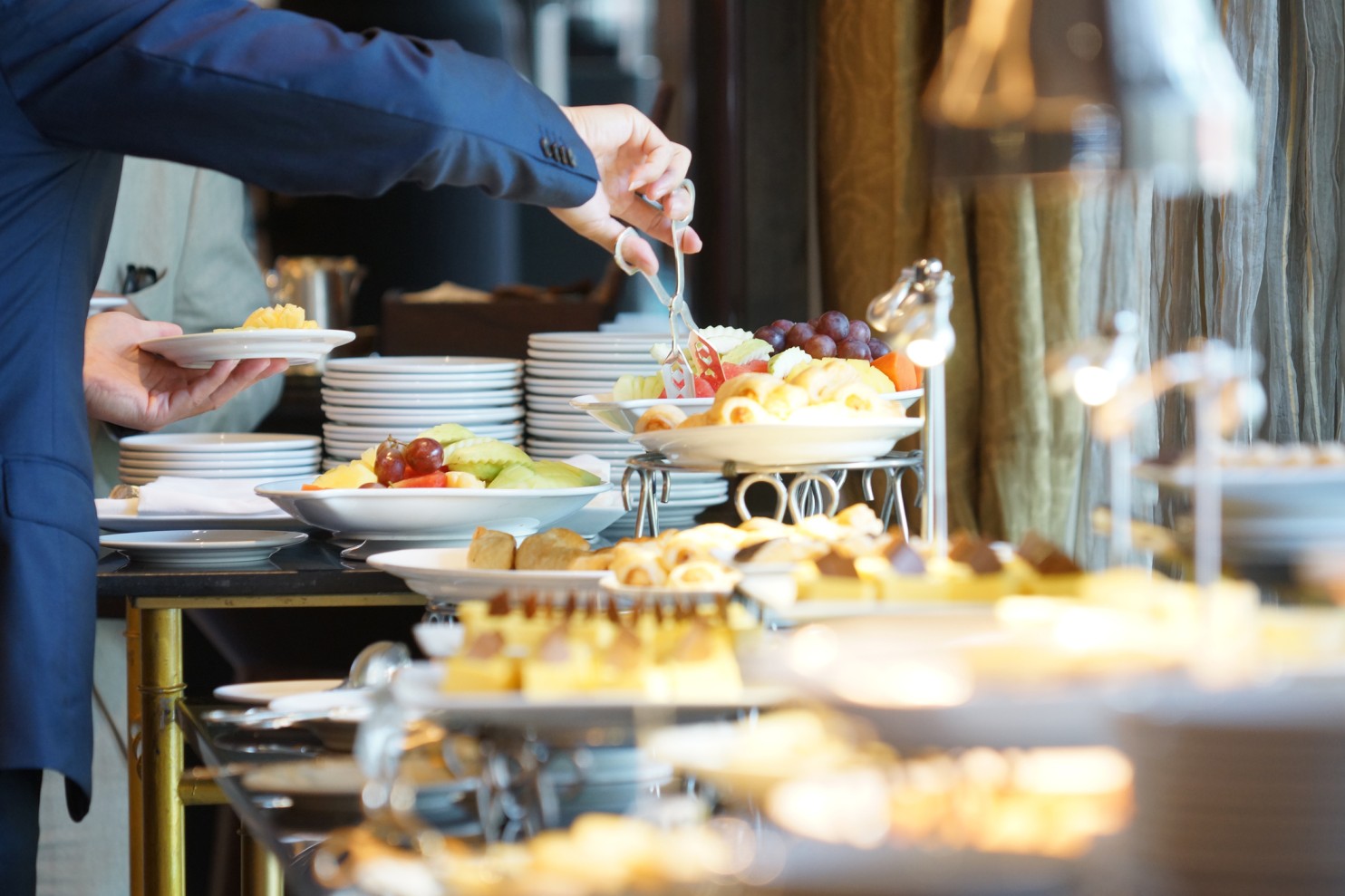
Many organisations view corporate catering as part of their employee engagement strategy. A dedicated dining programme encourages employees to gather, interact, and take meaningful breaks during the workday.
Companies Requiring Diverse Meal Options
Singapore’s workforce is diverse, with varying dietary preferences, cultural backgrounds, and nutritional needs. Catering programmes often provide greater flexibility for menu planning compared to vending-based solutions.
Businesses that prioritise menu variety often rely on structured menu planning in corporate catering programmes to ensure employees continue engaging with workplace dining over the long term.
When Food Vending Machines Are the Better Solution
Smaller Offices With Limited Dining Infrastructure
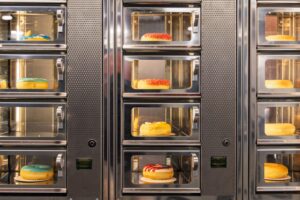
Not every workplace has sufficient space for a dining area, pantry expansion, or catering setup. In these situations, food vending machines can provide convenient meal access without requiring significant infrastructure investment.
This approach is particularly useful for smaller offices, satellite locations, and workplaces with limited common areas.
Workplaces Requiring Extended Meal Availability
Some organisations operate beyond traditional office hours. Healthcare facilities, logistics operations, security teams, and manufacturing environments often require meal access outside standard lunch periods.
In these settings, food vending machines provide employees with greater flexibility. Businesses exploring 24-hour workplace dining support frequently use vending solutions to ensure meal availability throughout the day and night.
Locations With Unpredictable Meal Demand
When attendance levels fluctuate significantly, traditional catering models may become more difficult to manage efficiently. Hybrid work environments, project-based teams, and temporary workplaces often experience varying meal demand from one day to the next.
In these situations, fresh food vending machines can help organisations maintain dining accessibility while reducing the operational complexity associated with daily meal forecasting.
What Factors Should Companies Evaluate Before Choosing?
Meal Participation Rates
One of the most important indicators is meal participation. Organisations should understand how many employees are likely to use workplace dining before selecting a solution.
High participation rates often support traditional catering models, while lower participation levels may favour more flexible options such as vending systems.
Cost Structure and Operational Requirements
Different dining models have different operational characteristics.
| Consideration | Office Food Catering | Food Vending Machines |
|---|---|---|
| Meal Variety | High | Moderate |
| Dining Flexibility | Moderate | High |
| Space Requirements | Higher | Lower |
| Meal Availability | Scheduled | Extended Hours |
| Operational Oversight | Higher | Lower |
The right solution depends on organisational priorities rather than cost alone.
Employee Expectations and Dining Accessibility
Employees increasingly expect convenient meal access throughout the workday. Some workplaces prioritise communal dining experiences, while others focus on flexibility and convenience.
Understanding workforce expectations can help organisations choose a solution that aligns with both operational goals and employee preferences.
Why Many Organisations Combine Both Solutions
Hybrid Workplace Dining Models
An increasing number of organisations are combining catering and vending solutions rather than choosing only one option.
For example:
- catered meals during peak lunch hours
- vending support during early mornings or late evenings
- supplementary meal access between scheduled meal periods
Businesses exploring workplace vending machine deployment often find that hybrid dining models provide greater flexibility while maintaining meal availability.
Supporting Different Employee Groups
Workforces are rarely uniform. Office-based employees, shift workers, contractors, and field personnel may all have different dining needs.
Combining office food catering with food vending machines allows organisations to support multiple employee groups without relying on a single dining model.
How Catering Corner Helps Organisations Choose the Right Dining Model
Understanding Workplace Behaviour Before Recommending Solutions
At Catering Corner, workplace dining decisions begin with understanding how employees actually use dining programmes. Workforce size, attendance patterns, meal participation, and operational constraints all influence the most appropriate solution.
Rather than promoting a single model, our approach focuses on identifying what works best for each workplace environment.
Building Flexible Workplace Dining Systems
Workplace dining requirements continue to evolve. Some organisations benefit from traditional catering programmes, while others require vending solutions or a combination of both.
Through data-led planning and operational expertise, Catering Corner helps organisations create dining systems that improve accessibility, support employee wellbeing, and remain sustainable as workplace needs change. Organisations looking to improve workplace dining accessibility can contact our workplace dining specialists to discuss catering, vending, or hybrid dining solutions tailored to their operational needs.
Choosing the Right Workplace Dining Solution
There is no universal answer when deciding between office food catering and food vending machines. The right choice depends on workforce size, meal participation, workplace infrastructure, and employee expectations. While some organisations benefit from structured catering programmes, others require the flexibility that vending solutions provide. Increasingly, businesses are combining both approaches to create workplace dining systems that are adaptable, accessible, and aligned with the way employees work today.