Why Workplace Dining Infrastructure Varies Across Singapore Offices
Differences Between Business Parks, Industrial Sites, and Corporate Offices
Singapore workplaces range from CBD office towers to industrial logistics hubs and technology business parks, and each environment has different dining needs. Corporate offices often face space constraints, while business parks may accommodate larger dining areas. Industrial facilities typically prioritise operational efficiency over communal dining spaces.
Because of these differences, companies often require flexible dining solutions that can adapt to various workplace conditions. In many cases, food vending machines provide a practical way to expand meal accessibility without installing full cafeteria facilities.
Workforce Size and Dining Demand Patterns
Workforce size also influences workplace dining systems. Large organisations may operate full staff cafeterias supported by professional corporate cafeteria management companies, while smaller offices often require more flexible solutions.
For example, an office with around 80 employees may not need a full cafeteria but still wants reliable staff lunch options. In such situations, vending machines or office food catering programs can help ensure employees have convenient access to meals during the workday.
Workplaces Where Food Vending Machines Perform Best
 Offices Without Space for Staff Cafeteria Singapore Facilities
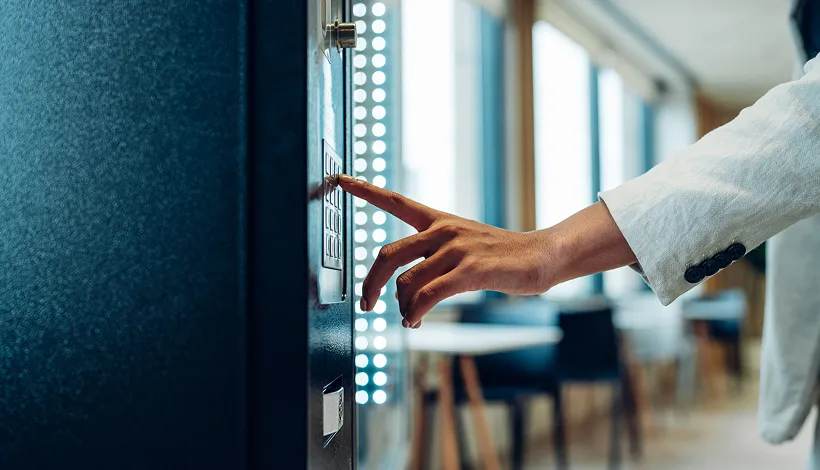
In many modern workplaces, companies deploy food vending machines through professional vending machine operations for workplaces, allowing employees to access convenient meals without installing full cafeteria infrastructure.
In these situations, food vending machines can provide an efficient alternative. They require minimal installation space while still offering employees convenient access to meals and snacks. When integrated with workplace dining systems, vending machines can help organisations maintain staff lunch accessibility without major infrastructure investments.
Companies evaluating alternative dining options may also find useful insights in When Self Service Cafeterias Work for Offices in Singapore and When They Don’t.
Workplaces With Distributed Teams or Satellite Offices
Many organisations today operate across multiple office locations. Consulting firms, technology companies, and financial services teams often maintain smaller satellite offices where staff numbers fluctuate throughout the week.
For these distributed environments, installing full cafeteria facilities may not be practical. Fresh food vending machines allow companies to provide meal access across multiple locations without needing separate kitchen operations at every site.
This approach supports flexible workplace dining while maintaining consistent office food catering availability for employees working in smaller teams.
Industrial and Operational Sites Where Vending Machines Work Well
Industrial workplaces such as logistics centres, warehouses, and manufacturing plants often prioritise operational efficiency and space utilisation. These environments may not always support full dining facilities, especially when teams are spread across large operational areas.
In such settings, food vending machines provide a practical staff meal option. Machines placed in break rooms or staff rest areas allow employees to access meals conveniently without leaving the workplace. When integrated with corporate cafeteria management systems or onsite catering arrangements, vending machines can improve dining accessibility across large operational sites.
When Food Vending Machines Support Office Food Catering Systems
Supporting Existing Office Food Catering Programs
Many companies already provide meals through structured office food catering arrangements or regular onsite catering services. In these environments, vending machines can serve as supplementary dining access points rather than replacements.
For example, catering programs may deliver daily staff lunch meals, while vending machines provide additional meal choices or snack options throughout the day. This layered approach helps organisations maintain a flexible dining system that adapts to employee preferences.
Flexible Dining for Hybrid Workforce Patterns
Hybrid work arrangements have become common across many Singapore offices. On some days, offices may operate with full attendance, while on other days only a portion of employees may be present.
Because workforce numbers fluctuate, traditional catering arrangements can sometimes result in overproduction or unused meals. Food vending machines provide an adaptable solution by allowing employees to access meals on demand without requiring large-scale food preparation.
This flexibility supports workplace dining systems that adjust naturally to changing workforce attendance patterns.
Integrating Food Vending Machines Into Corporate Cafeteria Management
Hybrid Dining Infrastructure
Modern workplace dining often involves multiple systems working together. Rather than relying on a single dining solution, many organisations implement hybrid dining infrastructure that combines vending machines, catering programs, and structured staff cafeteria management services to improve dining accessibility across the workplace.
In these environments, vending machines serve as an additional layer within corporate cafeteria management, helping improve accessibility and convenience for employees.
Data Insights From Vending Machine Usage
One of the advantages of automated dining systems is the ability to track consumption data. Vending machines can provide insights into which items employees prefer, peak usage times, and overall meal demand patterns.
These insights help organisations refine workplace dining programs and support more effective cafeteria management strategies.
How Catering Corner Designs Workplace Dining Systems
At Catering Corner, workplace dining is approached with a consulting mindset. Our team evaluates workforce size, dining behaviour, and operational constraints before recommending appropriate dining systems.
Rather than focusing on a single solution, we help organisations design integrated dining environments that combine staff cafeterias, office food catering, onsite catering services, and food vending machines where appropriate.
Organisations looking to optimise workplace dining infrastructure can speak with our workplace dining specialists through the contact page.
The Role of Food Vending Machines in Modern Workplace Dining
When implemented thoughtfully, food vending machines can play an important role in workplace dining systems. They work particularly well in offices with limited space, distributed workforces, or environments where flexible dining solutions are required.
Rather than replacing traditional dining models, vending machines often function best as part of a broader workplace dining ecosystem. When integrated with staff cafeterias, office food catering programs, and structured cafeteria management, they help organisations create dining systems that are both practical and responsive to employee needs.