In many Singapore workplaces, employees arrive at the pantry or dining area to find meals ready during staff lunch. The process feels simple and seamless. However, behind every smooth service is a structured system of planning, preparation, and coordination that defines corporate catering operations.
From central kitchens to delivery logistics and onsite setup, corporate catering involves multiple moving parts working together. Whether through onsite catering services or recurring office food catering programs, the goal is to deliver consistent meals at the right time, in the right quantity, and with reliable quality across Singapore workplaces.
What Corporate Catering Really Involves in Workplace Dining
More Than Just Food Delivery
Corporate catering is often perceived as simply preparing food and delivering it to offices. In reality, it is a coordinated operation that includes production planning, logistics management, timing control, and service execution.
Professional catering services in Singapore operate with structured workflows to ensure meals reach employees on time while maintaining quality. This applies not only to daily staff lunch operations but also to corporate events catering services, where timing, coordination, and consistency are equally critical.
Types of Corporate Catering Setups in Singapore
Corporate catering can take different forms depending on workplace needs. Some organisations rely on central kitchens where meals are prepared and transported to offices. Others use onsite catering services where food is prepared directly at the workplace.
In many cases, companies adopt hybrid models that combine centralised production with onsite finishing. These setups are commonly used in corporate lunch catering services to balance efficiency with food quality.
How Corporate Catering Kitchens Operate Daily
Batch Cooking and Production Planning
One of the key processes in corporate catering is batch cooking. Instead of preparing meals individually, kitchens produce food in large batches based on forecasted demand.
Production planning is critical. Catering teams estimate the number of meals required for staff lunch based on workforce size, attendance patterns, and historical data. This ensures that meals are prepared efficiently while minimising waste.
Food Holding Time and Temperature Control
After cooking, food must be maintained at specific temperatures before delivery. This is known as holding time management.
Hot food is kept warm within safe temperature ranges, while cold items are stored appropriately to preserve freshness. Maintaining these standards is essential for both food safety and quality, especially in large-scale office food catering operations.
How Meals Are Prepared for Staff Lunch Delivery
Packaging and Portioning Systems
Meals are portioned and packed systematically before delivery. Standardised portioning ensures consistency across all employees receiving meals.
Packaging also plays an important role. It must retain heat, prevent spillage, and maintain presentation quality. This is particularly important in corporate catering environments where large numbers of meals are delivered simultaneously.
Timing and Service Windows
Timing is one of the most critical aspects of corporate catering. Meals must arrive within a specific service window to match workplace lunch schedules.
For example, a company may have a 60-minute staff lunch window. Catering teams must coordinate preparation, packing, and delivery so that meals are ready exactly when employees need them.
Logistics and Delivery in Corporate Catering
Route Planning and Delivery Coordination
Corporate catering operations often involve delivering meals to multiple locations across Singapore. Route planning is essential to ensure timely delivery while accounting for traffic conditions and distance.
Catering providers schedule deliveries based on location clusters, ensuring that each workplace receives meals within the designated timeframe.
Onsite Setup and Service Flow
Once meals arrive, they must be set up efficiently. This includes arranging food stations, organising serving lines, and ensuring smooth flow during staff lunch periods.
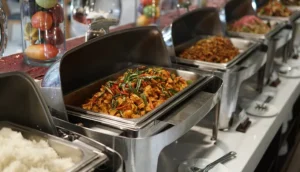
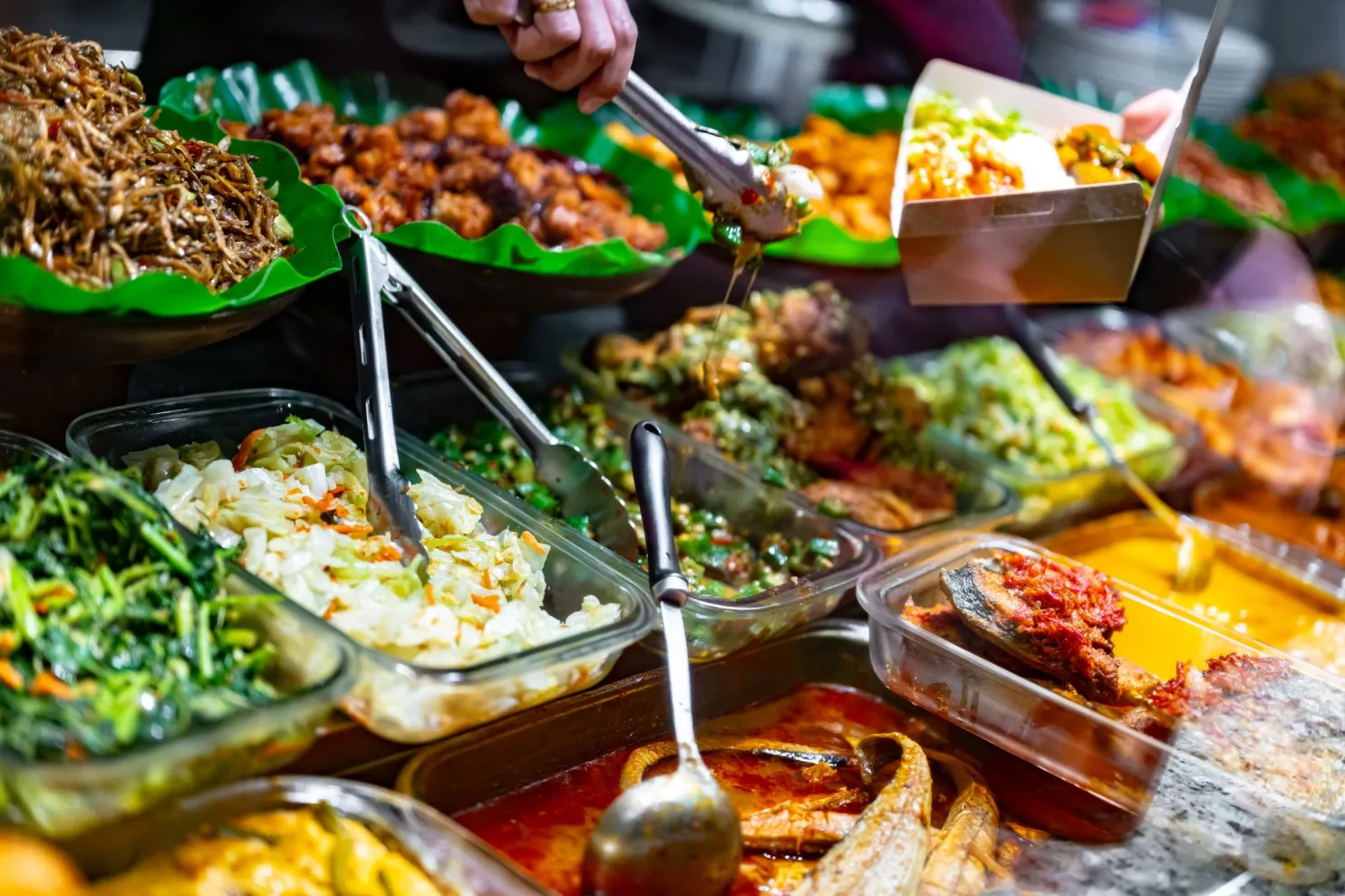
In workplaces using onsite catering services, this process may involve live service counters or managed buffet setups that support high-volume meal distribution.
How Corporate Catering Integrates With Office Food Catering Systems
Supporting Daily Office Food Catering Programs
Many organisations rely on structured office food catering programs that provide meals on a daily basis. Corporate catering supports these programs by delivering consistent meals aligned with workforce demand.
These systems are often integrated with broader workplace dining strategies, ensuring that employees have reliable access to meals throughout the workday.
Coordinating With Workplace Dining Infrastructure
Corporate catering does not operate in isolation. It often works alongside staff cafeterias, vending machines, and other dining solutions.
For example, insights from where food vending machines work best in Singapore workplaces show how automated dining can complement catering operations. Similarly, structured systems like those explained in what is a canteen management system and how it works in Singapore workplaces help track meal consumption and improve coordination.
Key Terminology Used in Corporate Catering Operations
 Batch Production
Batch production refers to preparing meals in large quantities at once. This approach allows catering teams to efficiently serve large groups of employees during staff lunch periods.
Holding Temperature
Holding temperature refers to the temperature at which food is kept after cooking and before serving. Maintaining the correct temperature ensures food safety and quality during transport and service.
Service Window
A service window is the designated time period during which meals are served. Catering operations are structured around these windows to ensure timely delivery and smooth service.
Menu Forecasting
Menu forecasting involves predicting which meals will be required and in what quantity. This process is essential for planning production and reducing waste in office food catering operations.
How Catering Corner Approaches Corporate Catering Differently
Structured and Data-Led Catering Systems
At Catering Corner, corporate catering is approached as a structured system rather than a one-off service. We combine operational planning with data insights to ensure meals are delivered consistently and efficiently across different workplace environments.
Improving Workplace Dining Reliability
We focus on creating dining systems that employees can depend on. By analysing meal patterns, refining logistics, and optimising processes, we help organisations maintain smooth and predictable staff lunch operations.
Organisations looking to improve their workplace dining systems can Contact Us to explore tailored solutions.
What Makes Corporate Catering Work Smoothly
Successful corporate catering is built on structured operations rather than just food preparation. From kitchen production and logistics to service timing and data tracking, every step must work together to deliver a reliable dining experience.
In Singapore workplaces, where efficiency and consistency are essential, a well-managed corporate catering system ensures that staff lunch programs, office food catering, and onsite catering services operate seamlessly and support the needs of the workforce.