
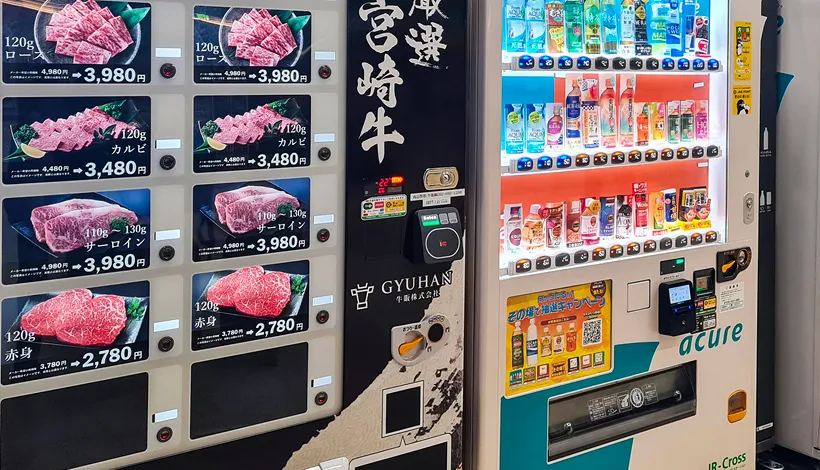
Workplace dining in Singapore is evolving as organisations adapt to changing workforce expectations, manpower constraints, and operational efficiency goals. Businesses are increasingly comparing fresh food vending machines with traditional cafeteria service providers to improve meal accessibility while maintaining quality and cost control. Understanding how each dining model supports corporate cafeteria management, onsite catering, staff cafeteria operations, and office food catering helps organisations choose solutions that match their workforce needs.
How Workplace Dining Needs Are Changing in Singapore
Shift Toward Flexible Workforce Dining Models
Singapore workplaces now operate across extended hours, hybrid work arrangements, and shift-based industries. Many organisations manage multiple office locations, making it difficult to maintain consistent staff cafeteria availability across sites. Fresh food vending machines and onsite catering solutions are emerging as flexible dining options that support evolving workforce patterns.
Growing Expectations for Office Food Catering Convenience
Employees expect reliable and convenient meal access throughout the day. When dining options are limited, staff may leave workplace premises, affecting productivity. Both cafeteria service providers and fresh food vending machines address this challenge by improving workplace dining accessibility in different ways.
What Are Fresh Food Vending Machines in Corporate Dining?
 How Fresh Food Vending Machines Operate
Fresh food vending machines are automated dining systems that store ready-to-eat meals in temperature-controlled environments. Meals are usually prepared in central kitchens to maintain quality and food safety compliance. These machines integrate with onsite catering operations and allow employees to purchase meals using cashless payment systems widely used in Singapore workplaces.
Advantages of Fresh Food Vending Machines for Workplace Dining
Fresh food vending machines provide 24-hour meal accessibility, making them suitable for shift-based workplaces and extended operating hours. They reduce reliance on full cafeteria staffing, support predictable operational costs, and can be deployed across multiple locations to support office food catering for smaller or satellite workplaces.
What Defines Traditional Cafeteria Service Providers in Singapore?
Role of Cafeteria Service Providers in Workplace Dining
Traditional cafeteria service providers manage full-service dining facilities that prepare meals on-site and oversee daily food service operations. Corporate cafeteria management involves kitchen staff, food preparation, service counters, and dining space maintenance, often supported by corporate staff cafeteria management solutions that help organisations maintain service quality and workforce dining consistency.
How Corporate Cafeteria Management Supports Workplace Culture
Traditional staff cafeteria environments encourage social interaction and team engagement. Communal dining areas strengthen workplace culture and allow organisations to provide customised meal options to meet workforce dietary preferences.
Fresh Food Vending Machines vs Traditional Cafeteria Service – Key Operational Differences
Accessibility and Meal Availability
Fresh food vending machines provide continuous dining accessibility, allowing employees to access meals at any time. This makes them ideal for workplaces operating across multiple shifts. Traditional cafeteria service providers typically operate during peak meal periods and may require extended staffing to support off-peak dining.
Manpower and Operational Resource Requirements
Fresh food vending machines require minimal manpower once installed, with replenishment managed through central kitchen production. Traditional cafeteria service providers depend heavily on kitchen staff and service teams, increasing manpower management complexity and operating costs.
Cost Efficiency Comparison Between Fresh Food Vending Machines and Cafeteria Service
Predictable Operating Costs of Vending Infrastructure
Fresh food vending machines offer predictable operating costs through structured equipment deployment and centralised meal production. Maintenance and replenishment cycles can be planned efficiently, helping organisations maintain cost stability.
Variable Cost Structure of Traditional Cafeteria Management
Corporate cafeteria management requires labour-intensive operations, kitchen infrastructure, and dining facility maintenance. Costs may vary depending on workforce size and meal demand.
Cost Comparison Matrix
| Cost Factor | Fresh Food Vending Machines | Traditional Cafeteria Service |
|---|---|---|
| Manpower Requirement | Low | High |
| Infrastructure Setup | Moderate | High |
| Operating Cost Stability | Predictable | Variable |
| Scalability Across Locations | High | Limited |
Operational Limitations of Each Dining Format
Challenges of Fresh Food Vending Machines
Fresh food vending machines may offer limited menu variety compared to full-service cafeterias. During peak demand periods, they require regular replenishment to maintain availability.
Challenges of Traditional Cafeteria Service
Traditional cafeteria service providers may struggle to support extended operating hours without increasing manpower. They also require significant physical space and infrastructure investment.
When Singapore Workplaces Should Choose Fresh Food Vending Machines
Workforce Size and Location Suitability
Fresh food vending machines are suitable for smaller workforce environments, business park offices, and organisations operating across multiple sites. Organisations often evaluate when self service cafeterias are suitable for workplace dining before determining whether automated vending or traditional cafeteria expansion delivers better accessibility.
Workplaces With Shift-Based Staffing Patterns
Industries such as manufacturing, logistics, healthcare, and security operations benefit from fresh food vending machines because they support flexible dining schedules.
When Corporate Cafeteria Management Remains the Best Dining Solution
Large Workforce Environments
Corporate cafeteria management is effective in industrial campuses, corporate headquarters, and institutions with predictable dining demand. Staff cafeteria operations support high-volume meal preparation while maintaining consistent service quality.
Organisations Prioritising Workplace Culture
Organisations focused on employee engagement often maintain cafeteria service because communal dining strengthens workplace interaction and collaboration.
Hybrid Workplace Dining – Combining Both Dining Models
How Hybrid Dining Improves Workforce Accessibility
Hybrid dining combines the strengths of fresh food vending machines and cafeteria service providers. Cafeterias support peak dining demand, while vending machines extend meal accessibility beyond cafeteria operating hours. Many organisations implement canteen management systems that improve cafeteria performance to coordinate automated vending and staffed dining services effectively.
How Onsite Catering Supports Hybrid Dining Ecosystems
Onsite catering supports hybrid dining by managing central kitchen production, menu planning, and structured meal replenishment, ensuring dining solutions remain efficient and scalable.
How Catering Corner Helps Organisations Decide Between Dining Models
Catering Corner evaluates workforce dining patterns, meal consumption behaviour, and operational requirements before recommending workplace dining solutions. We design structured dining ecosystems that integrate fresh food vending machines, onsite catering, and staff cafeteria operations, ensuring dining accessibility and long-term performance. Organisations looking to optimise workplace dining can contact the Catering Corner team.
The Future of Workplace Dining in Singapore
Workplace dining will continue evolving as organisations seek scalable and flexible office food catering solutions. Fresh food vending machines and corporate cafeteria management will increasingly operate together as part of hybrid dining infrastructure, helping businesses support workforce wellbeing and operational efficiency.


