
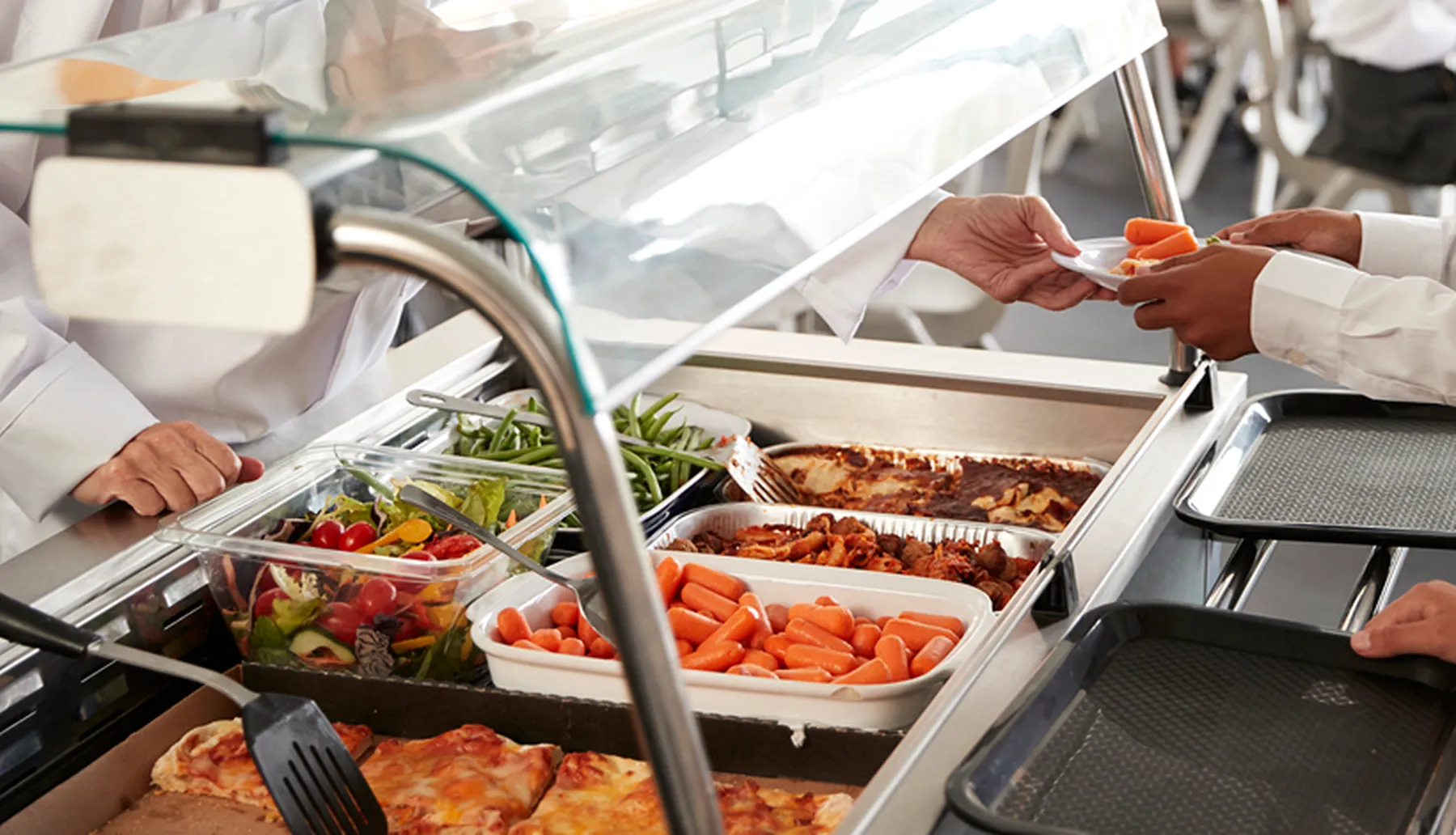
In many workplaces, when cafeteria complaints surface, the instinct is to blame food quality or service staff. In reality, most recurring issues in a staff cafeteria are system problems. Without a canteen management system providing structure, visibility, and accountability, even well-run teams struggle to deliver consistent outcomes.
At Catering Corner, this insight comes from lived experience. Built by ex-consultants who understood the impact of broken workplace dining first-hand, we focus on data-led operations. This article looks at how a canteen management system supports better daily cafeteria management in real Singapore workplaces, where time, space, and manpower are always under pressure.
What Is a Canteen Management System Used for in Daily Operations?
A canteen management system sits at the operational core of modern cafeteria management in Singapore. It is not only for dashboards or reports. The system helps teams track actual meal counts, monitor menu performance, and identify peak-hour congestion.
With this daily visibility, cafeteria managers can adjust portions and preparation volumes quickly, reducing overproduction and food waste. When attendance patterns change, the system provides clear signals that keep cafeteria operations controlled and reliable.
Why Manual Tracking Breaks Down in Staff Cafeterias
Many cafeterias still rely on spreadsheets or message-based updates. That approach rarely scales once routines shift or volumes grow. Information gets lost, decisions are delayed, and the same issues repeat. Without a canteen management system, cafeteria management becomes reactive rather than consistent.
How Canteen Management Systems Improve Cafeteria Management Decisions
Good decisions require good inputs. A structured canteen management system transforms how cafeteria management teams plan, adjust, and evaluate daily operations.
 From Guesswork to Data-Led Menu Planning
Menu planning is one of the most common sources of inefficiency in staff cafeterias. Without data, decisions are often based on assumptions or isolated feedback. With a canteen management system, menu performance becomes measurable. Teams can see which items are consistently consumed, which generate waste, and how preferences shift across weeks.
This data-led approach allows corporate cafeteria management teams to refine menus gradually, rather than making disruptive changes that frustrate staff.
Supporting Cafeteria Managers with Clear Daily Signals
A cafeteria manager does not need a monthly report to do their job well. They need daily signals, what worked yesterday, what needs adjustment today, and where attention is required. A canteen management system provides this clarity, helping cafeteria managers prioritise actions and reduce unnecessary guesswork.
Corporate Cafeteria Management With and Without Systems
The difference between system-driven operations and manual management becomes clear over time.
Without a Canteen Management System
Without structured systems, canteen management often relies on experience alone. While experienced teams can cope, problems tend to repeat: overproduction, inconsistent service quality, and unclear accountability. Decisions are influenced by the loudest complaint rather than consistent patterns.
With a Canteen Management System
With a canteen management system, operations become more predictable. Cafeteria management teams gain visibility across days and weeks, making it easier to adjust volumes, menus, and staffing. For corporate cafeteria management companies, this structure reduces risk and improves consistency across sites.
What a Good Canteen Management System Covers Beyond Reporting
A common misconception is that systems are only for reporting. In practice, effective canteen management systems support action.
Meal Forecasting and Volume Control
By analysing historical and short-term data, a canteen management system helps teams forecast demand more accurately. This reduces overproduction during low-attendance periods and prevents shortages during peak days.
Service Performance and Queue Management
Service speed is a recurring issue in Singapore offices with short lunch windows. Systems highlight peak congestion periods, allowing cafeteria management teams to adjust service flow or staffing proactively.
Accountability Across Cafeteria Operations
Data alone does not solve problems. A canteen management system works best when responsibilities are clear, who reviews the data, who makes changes, and who follows up. This accountability is what turns information into better outcomes.
How Cafeteria Managers Use Systems on the Ground
For a cafeteria manager, systems are most valuable when they support daily work, not when they add administrative burden.
Daily Adjustments, Not Monthly Reviews
Effective cafeteria managers use systems to make small daily adjustments. Whether it is tweaking portion sizes or rebalancing menu offerings, these incremental changes prevent issues from compounding.
Reducing Dependence on Individual Experience
When operations rely heavily on individual knowledge, disruptions occur when staff change. A canteen management system captures institutional knowledge, allowing new cafeteria managers to step in with confidence and maintain consistency.
Why Canteen Management Systems Matter More in Singapore Offices
Singapore workplaces present unique operational challenges that make systems especially valuable.
High Density and Short Lunch Windows
Many offices operate within tight lunch windows and high-density environments. A canteen management system helps cafeteria management teams optimise throughput and reduce bottlenecks during peak periods.
Diverse Diets and Menu Complexity
Singapore’s workforce brings diverse dietary needs. Balancing variety without overcomplicating operations is challenging. Data from a canteen management system helps teams strike this balance more effectively.
How Data-Led Cafeteria Management Changes Long-Term Outcomes
Over time, system-driven operations lead to measurable improvements.
Lower Waste and Better Cost Control
By tracking patterns instead of reacting to complaints, cafeteria management teams reduce waste and improve cost control.
More Predictable and Stable Operations
For corporate cafeteria management, predictability matters. Systems reduce surprises, making operations easier to manage month after month.
How Catering Corner Supports Data-Led Cafeteria Management
At Catering Corner, we treat every staff cafeteria as an operational system. Our staff cafeteria management services focus on data, accountability, and practical execution. Whether managing daily operations or supporting larger corporate cafeteria management initiatives, our goal is to make decisions clearer and outcomes more consistent.
Organisations exploring structured cafeteria operations often also review complementary solutions such as events catering for corporate functions and vending machine operations for flexible consumption during low-attendance periods.
To understand how a data-led canteen management system can support your cafeteria operations, visit our homepage or speak with our team via our contact page.
Conclusion: Better Staff Cafeterias Start With Better Systems
Food quality will always matter, but systems determine consistency. A well-implemented canteen management system brings structure, visibility, and accountability to everyday operations. For Singapore workplaces, this foundation allows cafeterias to adapt, improve, and ultimately work better for everyone.
📞 Companies reviewing their cafeteria management setup can speak directly with the Catering Corner team via our contact page to plan improvements and ensure operations remain stable throughout the year.


