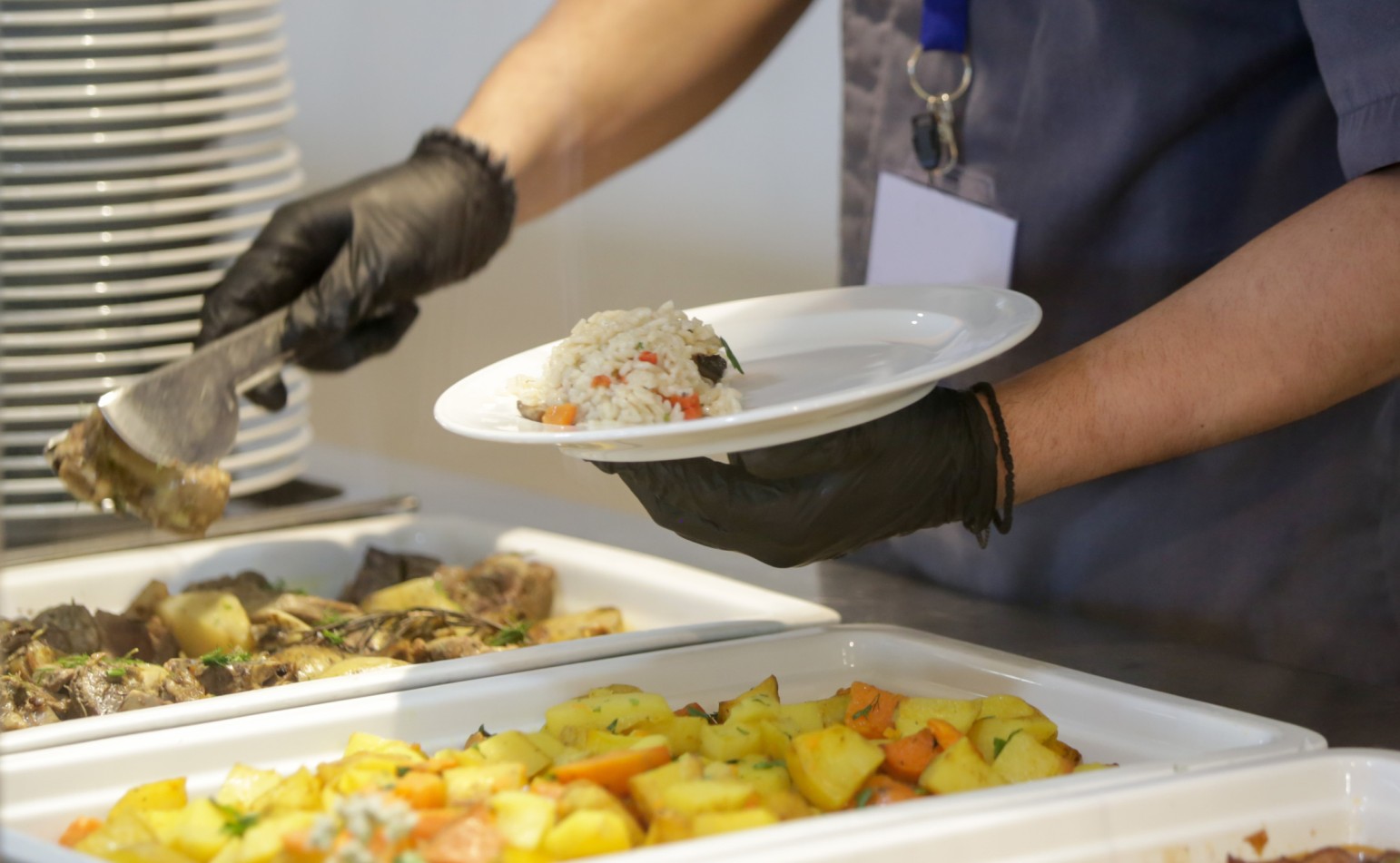
In many Singapore workplaces, successful staff lunch operations depend on accurate meal forecasting. Without proper planning, organisations may face food shortages, excessive waste, or inconsistent dining experiences. For companies relying on corporate lunch catering services, forecasting helps catering teams estimate meal demand, coordinate production, and maintain efficient office food catering operations. As hybrid work arrangements continue changing workplace attendance patterns, forecasting has become an essential part of reliable workplace dining systems.
What Meal Forecasting Means in Corporate Lunch Catering Services
Definition of Meal Forecasting in Workplace Dining
Meal forecasting refers to the process of estimating how many meals will be required for a specific workplace dining period. In corporate lunch catering services, forecasting helps catering operators determine production quantities before food preparation begins.
Rather than relying on guesswork, forecasting uses attendance data, historical consumption patterns, and workplace schedules to predict meal demand more accurately. This allows catering teams to prepare enough meals to support staff lunch requirements while minimising unnecessary food production.
Why Meal Forecasting Matters in Singapore Workplaces
Singapore workplaces operate in highly dynamic environments. In business parks such as one-north or Changi Business Park, office attendance can fluctuate significantly depending on hybrid work schedules, meetings, and project timelines. Industrial facilities in Jurong or Tuas may also experience changing shift patterns that affect meal demand.
These fluctuations directly impact office food catering operations. Without accurate forecasting, catering teams may either underproduce meals or prepare excessive quantities that eventually go unused. Effective forecasting allows organisations to maintain smoother cafeteria management while improving cost control and operational consistency.
How Corporate Lunch Catering Services Forecast Daily Staff Lunch Demand
Using Historical Consumption Data
One of the most important forecasting tools is historical consumption tracking. Catering teams analyse previous meal participation data to identify trends and recurring patterns within staff lunch programs.
For example, some workplaces consistently record lower attendance on Fridays, while others may experience higher participation during project-heavy periods. These consumption patterns help catering operators estimate future demand more accurately.
This type of analysis is closely connected to structured canteen management system operations, where dining data becomes an operational planning tool rather than simply a transaction record.
Attendance-Based Meal Forecasting
Attendance forecasting is another major factor in workplace dining planning. Catering teams often work closely with HR departments or workplace administrators to understand office occupancy levels before preparing meals.
Hybrid work arrangements have made this process increasingly important. In many Singapore offices, attendance levels now vary daily depending on remote work schedules, company events, or meeting arrangements. Forecasting systems must account for these fluctuations to ensure reliable staff lunch availability.
Buffer Meal Allocation and Forecast Variance
Even with accurate forecasting, catering operators typically prepare additional meals as a safety buffer. This process is known as buffer meal allocation.
Forecast variance refers to the difference between projected and actual meal demand. If an office forecasts 300 meals but actual demand reaches 320, the additional buffer helps prevent shortages. On the other hand, preparing too many meals consistently may increase food waste and operational costs. Balancing this variance is one of the most important operational responsibilities in corporate catering.
How Meal Forecasting Reduces Food Waste in Office Food Catering
Overproduction vs Underproduction
Forecasting directly affects food waste management within office food catering systems.
| Scenario | Operational Impact |
|---|---|
| Overproduction | Higher food waste and unnecessary costs |
| Underproduction | Staff dissatisfaction and meal shortages |
| Accurate Forecasting | Better cost control and smoother dining operations |
When meal forecasting is inaccurate, organisations may either dispose of excess meals or fail to meet employee dining needs. Reliable forecasting allows workplace dining systems to operate more sustainably while improving overall efficiency.
Why Data Matters in Cafeteria Management
Modern cafeteria management increasingly relies on data analytics rather than manual estimations. Consumption tracking systems help operators identify trends such as:
- peak meal participation days
- preferred meal categories
- seasonal attendance changes
- recurring underutilisation periods
These insights help improve procurement planning, reduce waste, and optimise production schedules. Businesses interested in structured workplace dining operations may also find useful insights in meal planning for corporate lunch catering services, where structured menu cycles support forecasting consistency.
How Onsite Catering Services Use Forecasting Operationally
Forecasting for Multi-Site Workplaces
Large organisations often operate across multiple workplace locations. Business parks, industrial campuses, and regional offices may all require separate dining coordination.
In these environments, onsite catering services rely heavily on forecasting to distribute meals efficiently across different sites. Meal demand at a logistics facility in Tuas may differ significantly from a corporate office in the CBD, even within the same organisation.
Coordinating Kitchen Production Timelines
Forecasting also determines how kitchens schedule meal production. Catering operators organise preparation timelines based on projected demand, ensuring meals are produced efficiently without overwhelming kitchen capacity.
Production windows, dispatch schedules, and delivery timing must all align carefully. This operational coordination is closely related to processes discussed in What Happens Behind the Scenes of Corporate Catering in Singapore Workplaces, where kitchen logistics and workplace delivery systems work together to support daily dining operations.
Technology and Systems Used in Meal Forecasting
Consumption Analytics and Reporting Systems
Modern workplace dining increasingly relies on digital reporting systems to improve forecasting accuracy. POS systems, participation tracking, and meal analytics provide catering teams with real-time operational data.
These systems support better decision-making within cafeteria management and allow organisations to refine workplace dining strategies over time.
Forecasting Integration With Corporate Catering Operations
Forecasting is not a standalone activity. It integrates directly with:
- kitchen production planning
- ingredient procurement
- delivery coordination
- office food catering logistics
This integrated approach allows catering operations to function more smoothly while maintaining consistent service quality.
How Catering Corner Approaches Meal Forecasting
Building Structured Workplace Dining Systems
At Catering Corner, workplace dining is approached through operational structure and data-led planning. Forecasting is used to improve reliability across corporate lunch catering services, ensuring meals are aligned with actual workforce demand rather than assumptions.
Our experience in staff cafeteria management services and onsite catering services allows us to design workplace dining systems that are scalable, measurable, and operationally efficient.
Using Forecasting to Improve Workplace Dining Experience
Accurate forecasting supports smoother staff lunch operations, reduces unnecessary waste, and improves dining consistency for employees. Rather than treating workplace meals as routine catering, forecasting allows organisations to create dining systems that respond more effectively to workforce behaviour and attendance trends.
Organisations looking to improve workplace dining reliability can speak with our workplace dining specialists for tailored support. You can also explore Catering Corner workplace dining solutions to learn more about our data-led approach.
Why Meal Forecasting Matters in Workplace Dining
Successful corporate lunch catering services depend on more than food preparation alone. Accurate forecasting supports staff lunch reliability, improves office food catering efficiency, reduces operational waste, and helps workplace dining systems function more consistently.
As Singapore workplaces continue adapting to changing workforce patterns, organisations that invest in structured forecasting systems will be better positioned to create reliable and sustainable dining experiences for employees.