
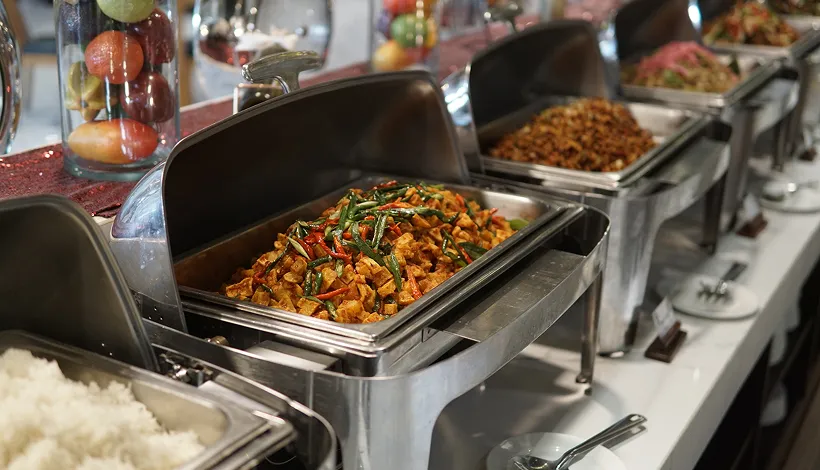
In many Singapore workplaces, employees begin to notice something interesting after a few weeks of having staff lunch at the office: the menu eventually repeats. This is not accidental. Most corporate lunch catering services operate on a structured 28-day menu cycle, a four-week rotation that balances variety, operational efficiency, and workforce satisfaction. For companies managing daily meals through office food catering, onsite catering services, or even a staff cafeteria, this approach helps keep menus engaging while maintaining consistent service delivery.
At Catering Corner, workplace dining is viewed through a structured and data-driven lens. Born from the frustrations of professionals who were tired of missing meals or settling for poor cafeteria food, our team believes dining programs should be accountable, well-planned, and designed around real workplace needs.
What Is a 28-Day Menu Cycle in Corporate Lunch Catering Services?
The Meaning of a 28-Day Menu Rotation
A 28-day menu cycle is a structured rotation used in many corporate dining environments where meals are planned across four weeks before repeating. Instead of repeating the same dishes every week, catering teams schedule a wide range of meals that rotate every 28 days.
This system is commonly used in workplaces operating a staff cafeteria management program or regular office food catering arrangements because it ensures employees enjoy variety while keeping kitchen operations manageable.
Why 28 Days Became the Industry Standard
Many corporate catering providers prefer a 28-day cycle because it aligns well with operational planning. Four weeks provide enough diversity in meals to prevent repetition fatigue while allowing catering teams to manage ingredient procurement, kitchen staffing, and preparation schedules efficiently.
From an operational perspective, the cycle also aligns with monthly planning cycles used in professional cafeteria management. Procurement schedules, supplier coordination, and inventory management can all follow predictable monthly patterns.
The Operational Logic Behind 28-Day Menu Planning
Preventing Menu Fatigue in Staff Lunch Programs
One of the main reasons catering providers rely on menu cycles is to prevent what the industry calls menu fatigue. This occurs when employees lose interest in workplace meals because dishes repeat too frequently.
In many workplaces, declining participation in staff lunch programs happens when menus lack variety. Employees may begin leaving the office to search for food outside the workplace, which disrupts productivity and reduces the effectiveness of office food catering initiatives.
A structured menu rotation helps maintain interest and participation in workplace dining.
Balancing Variety and Operational Efficiency
Corporate catering teams must constantly balance variety with operational efficiency. Offering too many menu options can complicate kitchen operations, while too little variety may reduce employee satisfaction.
A four-week menu cycle provides an ideal balance. It allows catering teams to introduce diverse meals while keeping food preparation processes streamlined, especially when supported by professional onsite catering services.
Example of a Typical 28-Day Menu Rotation
| Week | Menu Focus Example |
|---|---|
| Week 1 | Asian rice and noodle favourites |
| Week 2 | Western comfort dishes and pasta |
| Week 3 | Lighter meals and vegetarian options |
| Week 4 | Mixed international cuisine |
This approach helps maintain excitement in staff lunch programs while keeping corporate catering operations efficient.
How Corporate Lunch Catering Services Design 28-Day Menus
Menu Diversity Planning
Designing a menu cycle requires careful planning. Corporate catering teams evaluate cuisine diversity, dietary balance, and employee preferences when building a four-week rotation.
Typical planning considerations include:
- Balancing Asian and Western dishes
- Including vegetarian or lighter meals
- Rotating cooking methods such as grilled, stir-fried, or baked dishes
These considerations ensure staff lunch programs remain interesting while supporting operational efficiency in office food catering.
Cultural and Seasonal Menu Adjustments in Singapore
Singapore’s multicultural workforce also plays an important role in menu planning. Corporate dining providers often incorporate seasonal and cultural considerations when designing menus.
For example:
- Chinese New Year menus may feature festive dishes
- Ramadan periods may influence meal timing
- National Day celebrations may include local favourites
These adaptations help corporate catering programs remain culturally relevant and engaging for employees.
How Data Improves Menu Rotation in Modern Cafeteria Management
Tracking Staff Lunch Consumption Patterns
Modern cafeteria management increasingly relies on data to refine workplace dining programs. By analysing consumption patterns, catering teams can identify which dishes are popular and which meals generate less demand.
These insights allow catering providers to improve future menu cycles and maintain stronger engagement in staff lunch programs.
Reducing Food Waste Through Menu Analytics
Data analytics also plays an important role in reducing food waste in onsite catering services.
| Metric | Operational Insight |
|---|---|
| Dish popularity | Identifies employee preferences |
| Portion demand | Improves production planning |
| Peak lunch timing | Optimises service efficiency |
| Waste levels | Supports sustainable kitchen operations |
Through data-driven analysis, corporate catering providers can continuously improve menu cycles while maintaining efficient kitchen operations.
When 28-Day Menu Cycles Work Best in Workplace Dining
 Large Offices With Regular Staff Lunch Programs
The 28-day rotation works particularly well in large workplaces where daily staff lunch participation is consistent. Business parks, corporate headquarters, and industrial facilities often rely on structured workplace dining systems supported by professional corporate cafeteria management companies.
Corporate Cafeterias With Predictable Dining Demand
Workplaces operating full staff cafeterias also benefit from menu cycles. Stable workforce numbers allow catering teams to forecast meal demand more accurately and maintain efficient food preparation schedules.
Companies evaluating workplace dining systems may also explore insights shared in How Canteen Management Systems Support Better Staff Cafeteria Operations in Singapore.
How Catering Corner Approaches Menu Planning
At Catering Corner, workplace dining is approached with a consulting mindset. Our experience in staff cafeteria management services and vending machine operations for workplace dining allows us to design dining systems that balance operational efficiency with employee satisfaction.
Rather than treating workplace meals as a routine service, we analyse dining patterns, workforce needs, and operational constraints before designing structured catering programs.
Organisations looking to improve workplace dining systems can discuss your workplace dining needs with our team through the contact page.
Why Structured Menu Cycles Matter for Workplace Dining
A structured menu cycle may seem like a small operational detail, but it plays a significant role in the success of workplace dining programs. Corporate lunch catering services that use well-planned rotation cycles are better able to maintain staff lunch participation, manage operational costs, and deliver consistent office food catering experiences.
For organisations investing in workplace dining, thoughtful menu planning supported by data-driven cafeteria management ensures that staff meals remain reliable, engaging, and sustainable over the long term.


